
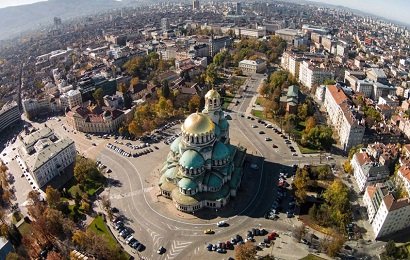
Why Choose Bulgaria for Your Studies?
Bulgaria has emerged as one of Europe’s most attractive destinations for international students. With its rich history, vibrant culture, affordable living costs, and high-quality education system, Bulgaria offers a unique and rewarding study abroad experience.
Whether you are pursuing medicine, dentistry, engineering, business, or the humanities, Bulgarian universities provide internationally recognised degrees at a fraction of the cost of Western European institutions.
Key Benefits of Studying in Bulgaria
✅ Affordable Tuition Fees – Compared to universities in the UK, Germany, France, or the Netherlands, Bulgarian universities offer excellent value for money without compromising on quality. For medical programs, tuition fees range from €8,000 to €12,000 per year – significantly lower than in most Western European countries.
✅ Low Cost of Living – Monthly living expenses, including accommodation, food, transport, and entertainment, are significantly lower than in most Western European countries. You can live comfortably on a modest budget.
✅ Internationally Recognised Degrees – Bulgarian university degrees are recognised throughout the European Union and beyond, opening doors to global career opportunities.
✅ Rich Cultural Heritage – Bulgaria is one of Europe’s oldest countries, with a fascinating history, stunning architecture, beautiful monasteries, and a vibrant cultural scene. From the Black Sea coast to the majestic Balkan mountains, there is always something to explore.
✅ Safe and Welcoming Environment – Bulgarians are known for their hospitality and warmth towards international students. The country has a low crime rate and is considered a safe place to live and study.
✅ Gateway to Europe – Located in Southeast Europe, Bulgaria is well-connected to the rest of the continent. Easy access to Greece, Turkey, Romania, Serbia, and North Macedonia makes it an ideal base for travelling and exploring Europe.
✅ Diverse Student Community – Thousands of international students from all over the world choose Bulgaria each year, creating a multicultural, enriching environment where you can make lifelong friends from every corner of the globe.
✅ EU Membership – As a member of the European Union, Bulgaria offers students the stability and opportunities that come with being part of the European family. Degrees are recognised across the EU, and students benefit from EU standards in education and research.
Top Universities in Bulgaria
Bulgaria is home to several prestigious universities that attract students from around the world:
| Πανεπιστήμιο | Τοποθεσία | Known For |
|---|---|---|
| Sofia Medical University | Σοφία | Medicine, Dentistry, Pharmacy |
| Medical University of Plovdiv | Φιλιππούπολη | Medicine, Dentistry, Pharmacy |
| Medical University of Varna | Βάρνα | Medicine, Dentistry, Pharmacy |
| Πανεπιστήμιο Θράκης | Στάρα Ζαγόρα | Medicine, Veterinary Medicine |
| Sofia University “St. Kliment Ohridski” | Σοφία | Humanities, Sciences, Law |
| Technical University of Sofia | Σοφία | Engineering, Technology |
| University of Economics – Varna | Βάρνα | Business, Economics, Finance |
| American University in Bulgaria | Blagoevgrad | Liberal Arts, Business |
Popular Fields of Study
Bulgaria is particularly renowned for its:
-
Medicine and Dentistry – Bulgarian medical universities are among the most popular choices for international students, offering high-quality education at affordable fees. Tuition fees for medical programs range from €8,000 to €12,000 per year, making them an attractive alternative to Western European universities. Graduates can practice across the EU after meeting licensing requirements.
-
Φαρμακευτική – Pharmacy programs are rigorous and well-respected, with excellent career prospects.
-
Κτηνιατρική – Trakia University in Stara Zagora offers one of Europe’s leading veterinary programs.
-
Engineering and Technology – Bulgarian technical universities produce skilled engineers sought after across Europe.
-
Business and Economics – Business programs are increasingly popular, with strong ties to the European and global markets.
-
Humanities and Social Sciences – Bulgaria’s rich history and cultural heritage make it an ideal place to study history, archaeology, linguistics, and the arts.
Entry Requirements
For most undergraduate programs, you will need:
-
A completed secondary education certificate (e.g., Apolytirion for Greek students)
-
Proof of language proficiency (usually Bulgarian or English, depending on the program)
-
Entrance exam results (for competitive programs like Medicine, Dentistry, and Pharmacy)
-
Passport and visa documents (for non-EU students; EU students do not need a visa to study in Bulgaria)
For Medical Programs specifically, the entrance exam typically covers:
-
Biology
-
Chemistry
-
Physics (depending on the university)
-
Αγγλικά (as a medium of instruction)
Tuition Fees and Living Costs
| Expense | Estimated Cost (EUR) |
|---|---|
| Tuition fees (Medicine per year) | €8,000 – €12,000 |
| Tuition fees (other programs per year) | €3,000 – €6,000 |
| Accommodation (private, per month) | €450 – €700 |
| Accommodation (dormitory, per month) | ~€250 |
| Food and groceries (per month) | €150 – €250 |
| Public transport (per month) | €20 – €40 |
| Utilities and internet (per month) | €50 – €100 |
| Entertainment and leisure (per month) | €50 – €100 |
| Total monthly living costs | €450 – €800 |
Bulgaria offers one of the most affordable study destinations in Europe, allowing you to focus on your education without constant financial stress. For medical students, the combination of €8,000 – €12,000 tuition fees and low living costs represents exceptional value compared to Western European or North American alternatives.
Student Life in Bulgaria
Bulgaria offers a vibrant student life with something for everyone:
-
Nightlife – Cities like Sofia, Plovdiv, and Varna have bustling nightlife scenes with bars, clubs, and live music venues.
-
Nature and Outdoors – From the Black Sea beaches to ski resorts in the mountains, Bulgaria is a paradise for nature lovers.
-
Cultural Events – Festivals, concerts, theatre performances, and art exhibitions take place throughout the year.
-
Student Organisations – Most universities have active student clubs, sports teams, and cultural societies where you can get involved and make friends.
-
Travel – Bulgaria’s central location makes it easy to explore neighbouring countries like Greece, Turkey, Romania, and Serbia during holidays and breaks.


