
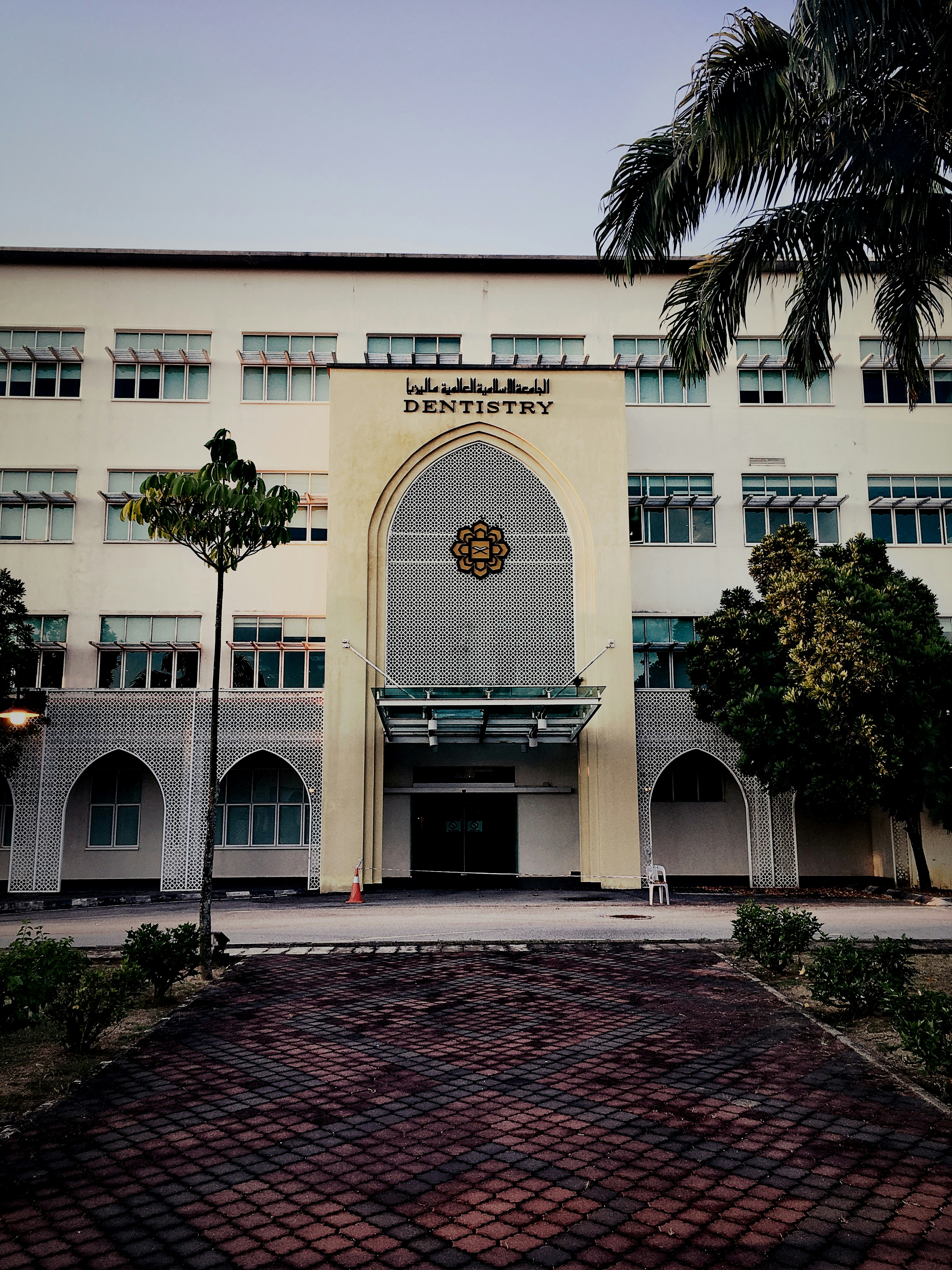
Overview of Dentistry Education in Eastern Europe
The field of dentistry education in Eastern Europe has gained significant recognition over the years, making it a compelling choice for both local and international students. This region is home to various reputable dental schools that offer comprehensive courses designed to equip students with essential knowledge and skills in dentistry. Eastern European dental faculties have established a solid reputation for their high-quality education, often attracting individuals from across the globe. Many students believe that studying dentistry in Europe, particularly in Eastern countries, offers unique opportunities compared to Western Europe and North America.
Statistically speaking, Eastern Europe boasts a variety of dental faculties that cater to diverse academic needs. Countries such as Poland, Romania, and Hungary have particularly well-known dental programs, with institutions that have been in operation for decades. These programs not only focus on theoretical concepts but also emphasize practical training, often providing students with hands-on experience in clinical environments. Such a balanced curriculum prepares graduates to meet both local and international healthcare standards.
Furthermore, the cost of studying dentistry in Eastern Europe is generally lower than in Western institutions, making it an attractive alternative for those looking to pursue dental education without incurring substantial debt. Prospective students will find a range of options, including programs taught in English, which broaden access to those who may not be proficient in the local language. The combination of affordable tuition fees, quality education, and a multicultural environment enhances the appeal of these courses.
In summary, the significant factors surrounding dentistry education in Eastern Europe — including the esteemed reputation of its dental faculties, the structured curriculum, and the cost benefits — all contribute to its attractiveness for many aspiring dentists worldwide.
Comparative Tuition Fees Across Dentistry Faculties
When considering the pursuit of a dentistry education in Eastern Europe, understanding the varying tuition fees across the region is essential. Countries like Bulgaria, Slovenia, and Slovakia offer diverse fee structures that cater to both local and international students. These tuition fees can greatly affect a student’s financial planning.
In Bulgaria, institutions such as Sofia Medical University charge approximately €7,000 to €8,500 annually for international students, whereas local students may pay between €3,500 to €4,500. This significant difference highlights the inclusivity often extended to domestic applicants.
Slovenia offers a slightly different scenario. The University of Ljubljana, one of the most prestigious institutions in the country, charges around €10,000 per year for international dentistry students, but local students enjoy a reduced fee of approximately €5,000. This disparity emphasizes the importance of understanding the financial landscape before committing to a program.
Moving on to Slovakia, Comenius University in Bratislava presents its tuition fees within a range of €6,000 to €8,000 for international students, while Slovak applicants typically pay around €4,000. Notably, each of these universities may offer specific scholarships or financial aid to assist students in managing these costs, making dentistry courses more accessible.
It is crucial for prospective students to research thoroughly and take note of the additional fees that may not be included in the tuition, such as registration fees, material costs, or health insurance. Additionally, some programs may provide discounts for early enrollment or performance-based scholarships, which can further enhance the affordability of education in dentistry. As such, a detailed consideration of these factors will aid students in their decision-making process regarding their education journey in Eastern Europe.
Living Expenses for Dental Students in Eastern European Countries
Studying dentistry in Eastern Europe presents an exciting opportunity for international students. However, before embarking on this journey, it is crucial to understand the living expenses associated with pursuing dental courses in countries such as Bulgaria, Slovenia, and Slovakia.
Accommodation is often one of the largest monthly expenditures. In Bulgaria, for example, students frequently choose shared apartments or university dormitories, where monthly rent can range from €150 to €250. In Slovenia, the accommodation costs may be slightly higher, averaging around €250 to €400, depending on the city. Slovakia offers similar options, with rents typically between €200 and €350. Prospective students should consider factors such as location, amenities, and whether utilities are included when budgeting for housing.
Food is another essential aspect of living expenses. Grocery costs in Eastern Europe are relatively affordable, with an average monthly budget ranging from €150 to €250 per person. Eating out can vary significantly based on location, but budgeting approximately €3 to €7 for a meal at a local restaurant is common. Students might also want to take advantage of local markets and affordable eateries to ensure their culinary expenses remain manageable.
Transportation is another key consideration. Many cities in Eastern Europe are pedestrian-friendly, and public transport is usually efficient and inexpensive. Monthly transportation passes can cost between €20 and €30. Additionally, students may benefit from discounts for those enrolled in courses. It is advisable for students to explore biking or carpooling as alternative and cost-efficient ways to navigate their campus and city.
Healthcare costs should not be overlooked. While public healthcare is available for students, having health insurance is recommended for more comprehensive coverage. Budgeting around €50 to €100 monthly for health insurance can help students manage any unexpected medical expenses more effectively.
In summary, evaluating the living expenses for dental students in Eastern Europe is critical for financial planning. By considering accommodation, food, transportation, and healthcare, students can better prepare for their academic journey and possibly enjoy their experience abroad without undue financial stress.
Conclusion and Recommendations for Prospective Students
In evaluating the landscape of dentistry faculties in Eastern Europe, it is crucial to consider several key factors: tuition fees, living expenses, and the overall academic environment. As highlighted throughout this guide, the costs associated with studying dentistry can significantly vary across countries and universities. Prospective students should carefully analyze these aspects to make informed decisions that align with their financial capabilities and educational goals.
When it comes to choosing the right university, students should reflect on their personal preferences and career aspirations. Factors such as the university’s reputation, faculty expertise, and available resources should be at the forefront of one’s decision-making process. Furthermore, prospective students are encouraged to reach out to current students or alumni to gain first-hand insights into the quality of education and student life.
Preparing for studying abroad involves not only selecting the appropriate institution but also navigating the complexities of the application process. Students should familiarize themselves with the admission requirements, which may include standardized tests or language proficiency exams, depending on the country and program. Additionally, understanding the cultural context of the host country will greatly assist in acclimating to new environments.
Cultural differences can present both challenges and opportunities for growth. Engaging in local traditions, participating in extracurricular activities, and forming connections with locals and fellow students are essential for a fulfilling experience. Embracing these differences will not only enhance personal development but will also enrich the educational journey.
Ultimately, prospective students must weigh all these considerations thoughtfully to maximize their experience in dentistry faculties across Europe. With diligent research and preparation, they can successfully embark on a rewarding academic adventure in the vibrant educational landscape of Eastern Europe.


